-
Book 53: “The Second World War” by Winston S. Churchill
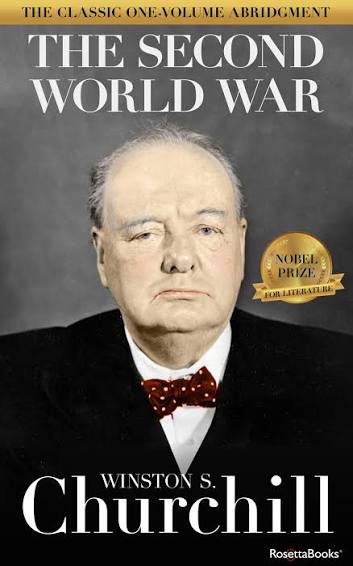
Winston Churchill’s The Second World War is more than a history of conflict. It is an extraordinary study of leadership under uncertainty, judgement, communication, coalition-building and responsibility.
-
Play 53: From Cave to Crisis: Why Leadership is Humanity’s Survival Tool
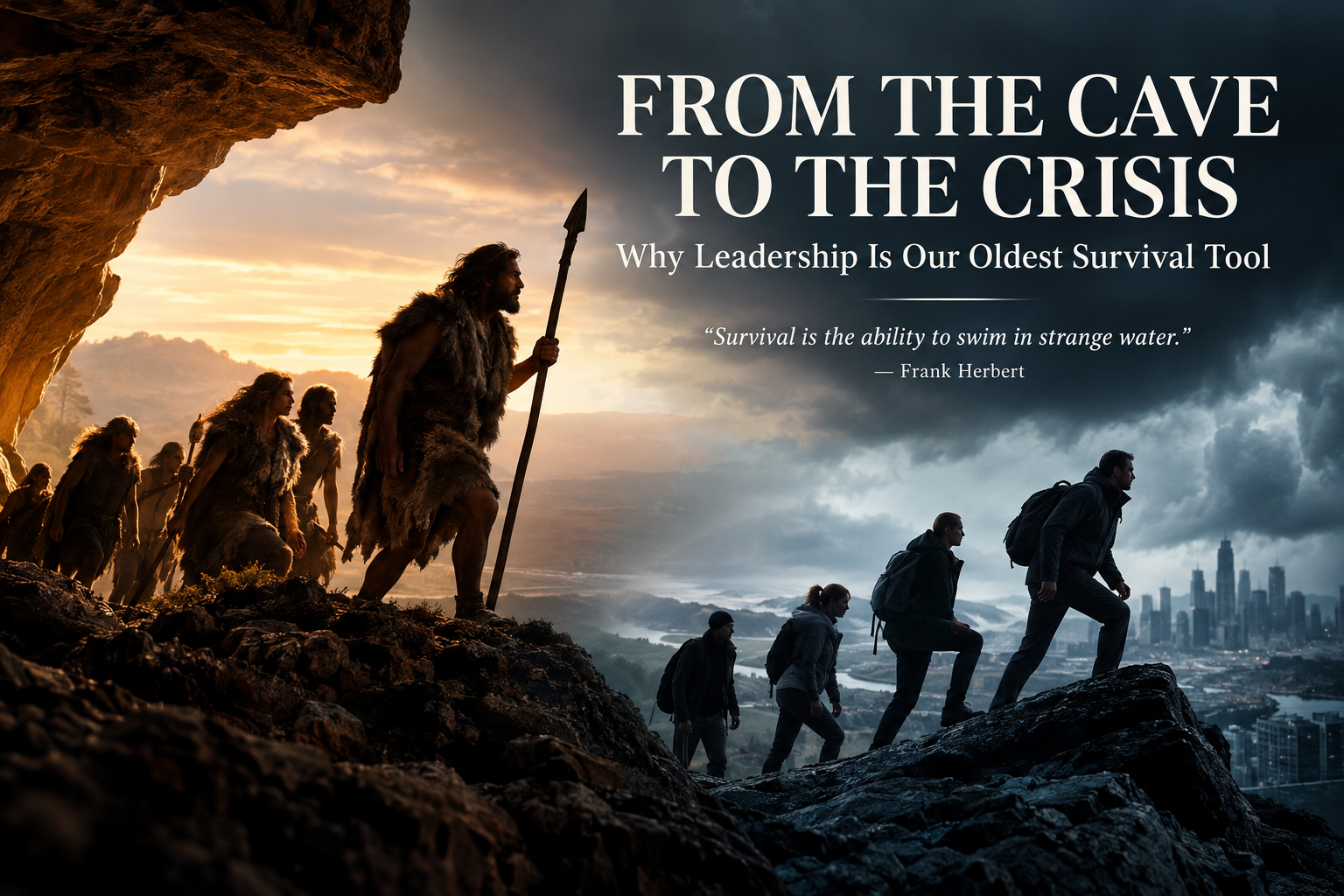
Leadership began not as a profession, but as a survival mechanism. From prehistoric communities to Shackleton, Churchill and today’s crises, its essential task remains the same: helping people face reality, act together and move through uncertainty.
-
Book 52: “The Servant as Leader” by Robert K. Greenleaf
Robert K. Greenleaf reversed the traditional idea of leadership: the servant comes first. His enduring question is not how many people follow us, but whether those we lead become wiser, freer, stronger and more capable because of our leadership.
-
Play 52: Leaders Exist Only Because Others Need Them

Leadership is about serving others. Discover why leaders exist because people need direction, courage, trust, growth, and empowerment.
-
Book 51: “Leadership” by James MacGregor Burns
James MacGregor Burns’s Leadership challenged the idea that leadership is simply power or position. Its lasting insight is that true leadership transforms both leaders and followers—and leaves people more capable than before.
-
Play 51: What Is Leadership?

What is leadership? Explore how leaders inspire action, pursue shared goals, lead by example, empower others, and turn vision into reality.
-
Book 50: “The Innovator’s Dilemma” by Clayton M. Christensen

Why do successful companies fail? In The Innovator’s Dilemma, Clayton M. Christensen explains why good management can become a liability and why leaders must embrace disruption before competitors force it upon them.
-
Play 50: Creative Destruction and Leadership

Innovation is only half the story. Great leaders also know what must be abandoned. This article explores how creative destruction—the courage to dismantle outdated ideas, structures, and habits—is essential for long-term leadership success.
-
Book 49: “The Signal and the Noise” by Nate Silver
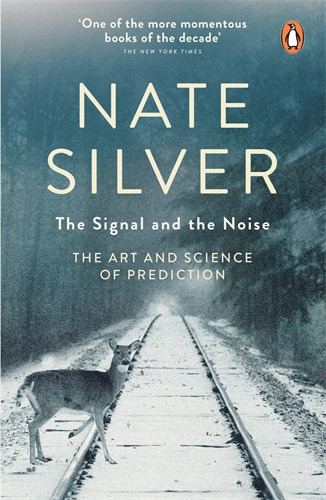
In an age of information overload and AI-generated content, the greatest leadership advantage is not access to more data but the ability to distinguish signal from noise. Nate Silver’s The Signal and the Noise shows why better decisions begin with better judgment, probabilistic thinking, and intellectual humility.
-
Play 49: How Leaders Separate Signal from Noise

The best leaders don’t have more information—they know which information matters. Learn how to filter noise, recognize patterns, and make better decisions in a world of constant distraction.

Dan Pascariu's Blog “THE CHAIRMAN’S PLAYBOOK’’
Practical Leadership Wisdom Distilled in 1,000 Words or Less