
Category: The Chairman’s Playbook
-
Play 60: Leading in Volatile Times — Knowing When to Change Course
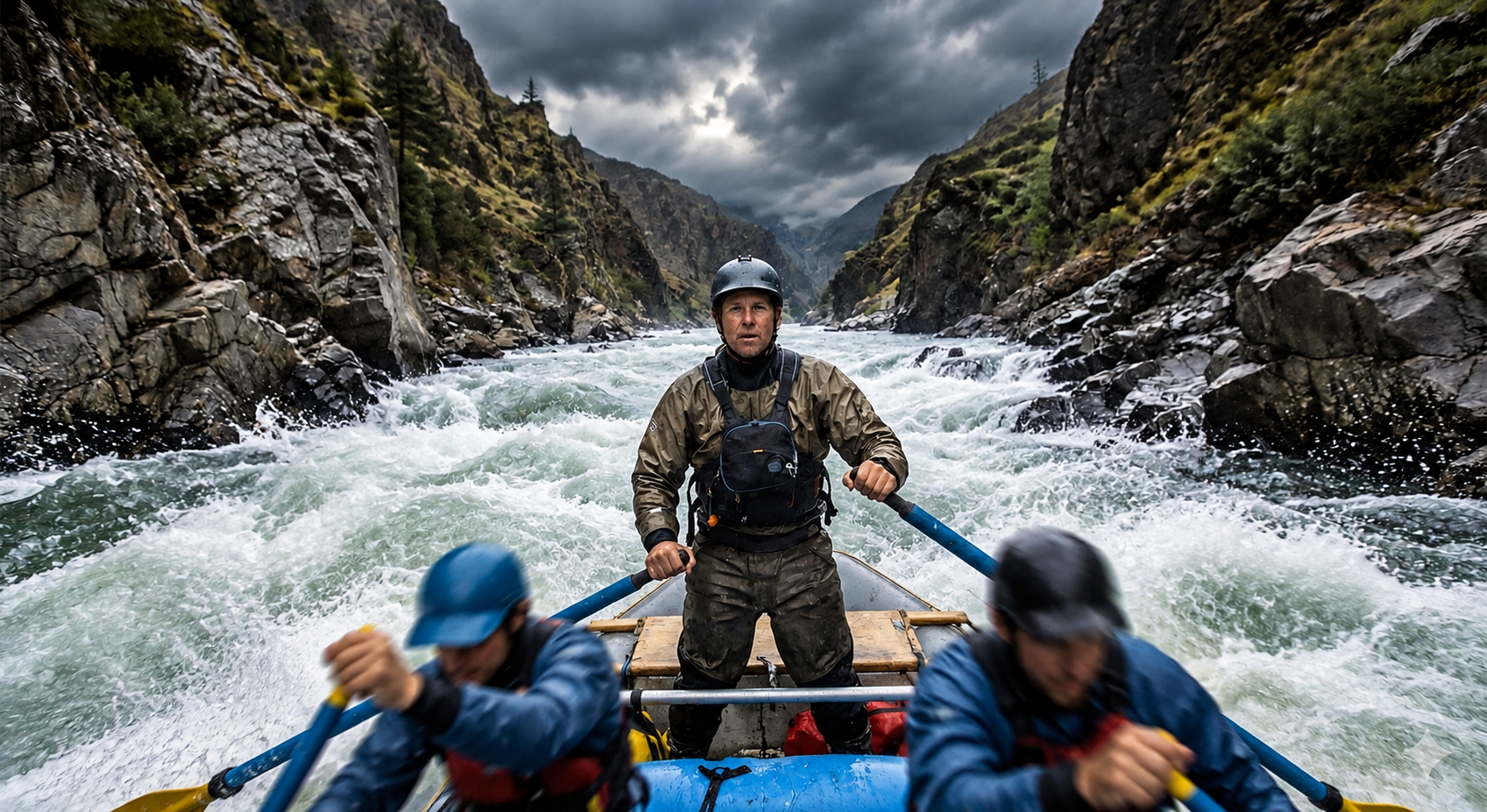
When should a leader persevere, and when is it time to change course? Drawing on my experience during the 2008 financial crisis, I explore why effective leadership means remaining loyal to your purpose without becoming attached to an outdated plan.
-
Play 59: Leading in a V.U.C.A. World

What does leadership look like when the rules are changing, information is incomplete and there is no reliable map? I first encountered V.U.C.A. while leading a bank through Romania’s transition from communism to capitalism. More than thirty years later, its lessons about leadership feel just as relevant.
-
Play 58: Leadership Is Needed to Coordinate Collective Work

Why does collective work need leadership? Explore how purpose, trust and coordination turn individual capabilities into collective achievement.
-
Play 57: Why We Need Leadership to Find a New Equilibrium

Living systems continually seek balance, but stability is not always healthy. Leadership helps us notice when an existing equilibrium is weakening or obsolete—and guides us towards a better one.
-
Play 56: When Disruption Knocks, We Need Leadership

Disruption begins when the assumptions that guided us are no longer reliable. Romania’s 1981 debt crisis taught me why leaders must face reality, question familiar answers and act while choices remain.
-
Play 55: Why Leadership Is Essential for Achievement

Purpose gives us a reason. Vision gives us a destination. Belonging gives us commitment. But leadership is what turns all three into achievement. In Play 55, I reflect on implementation, winning coalitions, difficult decisions and accountability.
-
Play 54: Why Leadership Is Essential for Purpose, Vision, and Belonging

Why are we here? Leadership helps people answer that fundamental question by connecting a shared purpose with a compelling vision and a sense of belonging.
-
Play 53: From Cave to Crisis: Why Leadership is Humanity’s Survival Tool
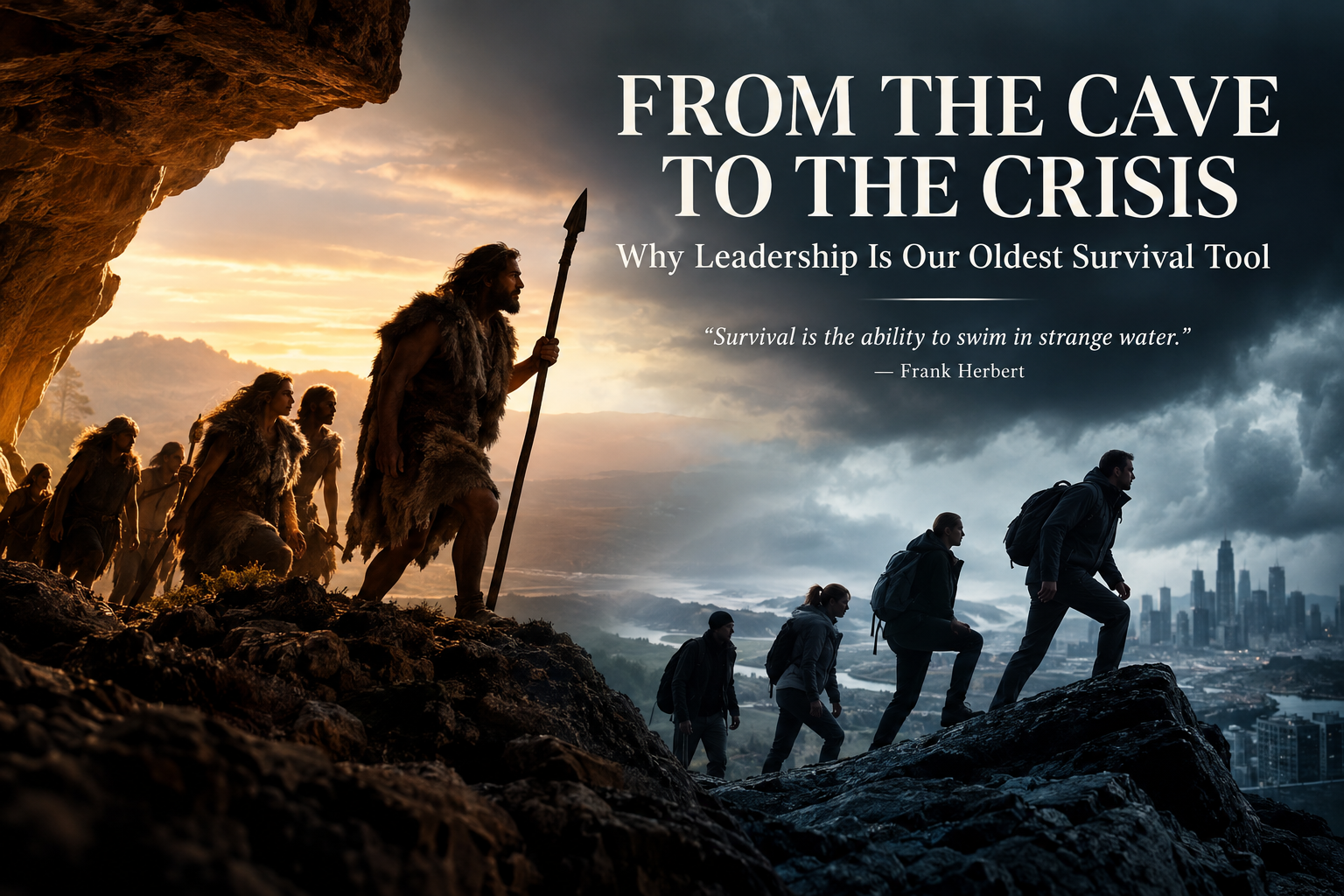
Leadership began not as a profession, but as a survival mechanism. From prehistoric communities to Shackleton, Churchill and today’s crises, its essential task remains the same: helping people face reality, act together and move through uncertainty.
-
Play 52: Leaders Exist Only Because Others Need Them

Leadership is about serving others. Discover why leaders exist because people need direction, courage, trust, growth, and empowerment.
-
Play 51: What Is Leadership?

What is leadership? Explore how leaders inspire action, pursue shared goals, lead by example, empower others, and turn vision into reality.