-
Play 51: What Is Leadership?

What is leadership? Explore how leaders inspire action, pursue shared goals, lead by example, empower others, and turn vision into reality.
-
Book 50: “The Innovator’s Dilemma” by Clayton M. Christensen

Why do successful companies fail? In The Innovator’s Dilemma, Clayton M. Christensen explains why good management can become a liability and why leaders must embrace disruption before competitors force it upon them.
-
Play 50: Creative Destruction and Leadership

Innovation is only half the story. Great leaders also know what must be abandoned. This article explores how creative destruction—the courage to dismantle outdated ideas, structures, and habits—is essential for long-term leadership success.
-
Book 49: “The Signal and the Noise” by Nate Silver
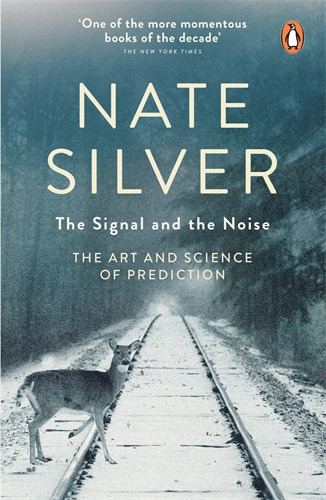
In an age of information overload and AI-generated content, the greatest leadership advantage is not access to more data but the ability to distinguish signal from noise. Nate Silver’s The Signal and the Noise shows why better decisions begin with better judgment, probabilistic thinking, and intellectual humility.
-
Play 49: How Leaders Separate Signal from Noise

The best leaders don’t have more information—they know which information matters. Learn how to filter noise, recognize patterns, and make better decisions in a world of constant distraction.
-
Book 48: “Practical Intelligence in Everyday Life” by Robert J. Sternberg and Elena L. Grigorenko
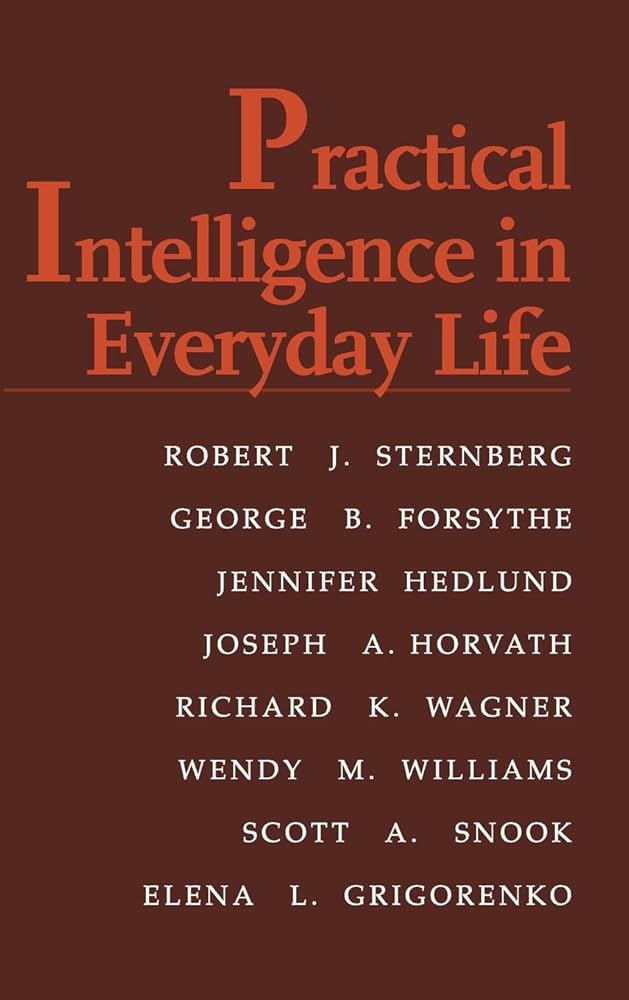
Many leaders have impressive knowledge but struggle to turn it into results. Drawing on Practical Intelligence by Robert J. Sternberg and Elena L. Grigorenko, this article explores why practical intelligence—the ability to apply knowledge wisely in real situations—is becoming one of the most valuable leadership capabilities in the age of AI.
-
Play 48: Practical Intelligence — An Overlooked Key to Success

Practical intelligence is the overlooked skill that separates knowledge from results. It enables leaders to adapt, understand people, solve real-world problems, and turn good ideas into meaningful action. Discover why practical intelligence may be the most valuable form of intelligence for leadership.
-
Book 47: “Good to Great” by Jim Collins

Jim Collins’ Good to Great shows that enduring greatness is not built on charisma, luck, or dramatic breakthroughs, but on disciplined leadership, the right people, brutal honesty, focused purpose, and patient momentum.
-
Play 47: Constructive Discontent

Constructive discontent is the quiet force behind improvement. This post explores why leaders need dissatisfaction not as complaint, but as a disciplined refusal to accept mediocrity.
-
Book 46: “Managing with Power” by Jeffrey Pfeffer
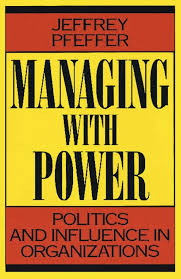
Power is often treated as a taboo in leadership discussions, yet Jeffrey Pfeffer argues it is essential to understanding how organizations really work. This article explores why competence alone is not enough and how ethical influence helps leaders achieve meaningful results.

Dan Pascariu's Blog “THE CHAIRMAN’S PLAYBOOK’’
Practical Leadership Wisdom Distilled in 1,000 Words or Less