-
Play 46: What Many Young Professionals Get Wrong About Power in Organizations

Young professionals often assume power works as it should: fair, rational, and merit-based. In reality, power in organizations is human, messy, relational, and built through trust, access, reliability, alliances, and the ability to get things done without damaging people or the system.
-
Book 45: “Power: Why Some People Have It — and Others Don’t” by Jeffrey Pfeffer
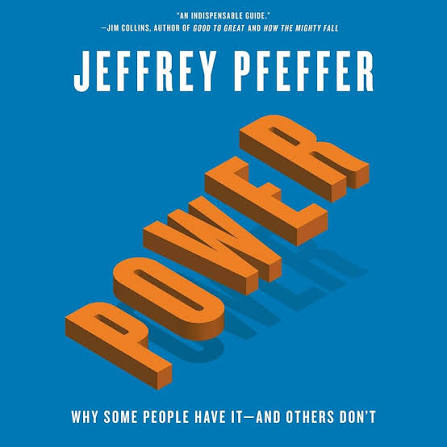
Jeffrey Pfeffer’s Power reminds leaders that performance alone is rarely enough. To lead effectively, we must understand influence, visibility, networks, and the responsibility that comes with power.
-
Play 45: Leadership and Power

Power is neither good nor bad—it is a tool. The real question is how leaders use it. In this play, I explore the difference between borrowed and earned power, why trust matters more than authority, and how great leaders use power to build people rather than dependence.
-
Book 44: “Tao Te Ching” by Laozi
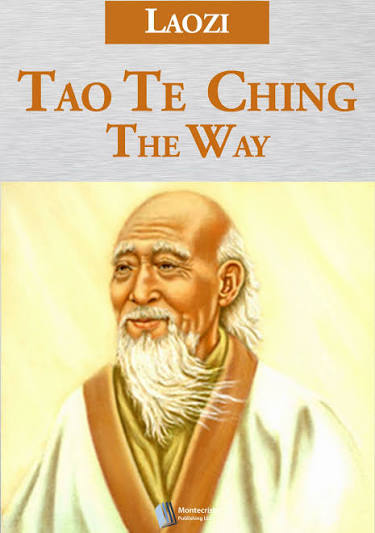
What can a 2,500-year-old Chinese text teach modern leaders? In this reflection on Laozi’s Tao Te Ching, discover why humility, simplicity, balance, and the art of leading without force may be more relevant today than ever.
-
Play 44: Leadership and Timing

A leadership lesson inspired by Chinese mythology: great leaders do not manage time—they master timing, alignment, patience, and the rhythms that drive success.
-
Book 43: “Pacing for Growth” by Alison Eyring
In Pacing for Growth, Alison Eyring argues that sustainable success depends not on how fast an organization grows, but on whether its capabilities can keep pace with its ambitions. A valuable lesson for every leader navigating growth and change.
-
Play 43: Time Compression Diseconomies

Time compression diseconomies explain why trust, culture, judgment, and capability cannot be built too quickly without weakening long-term results.
-
Book 42: “Working Identity” by Herminia Ibarra
A leadership reflection on Herminia Ibarra’s Working Identity and why careers are built through action, experimentation, and reinvention.
-
Play 42: How Smart People End Up in the Wrong Careers

Many intelligent people do not fail into the wrong careers. They succeed into them. This post explores why intelligence can hide misalignment and why self-knowledge matters more than raw ability when choosing meaningful work.
-
Book 41: “Designing Your Life” by Bill Burnett & Dave Evans

A reflection on Designing Your Life by Bill Burnett and Dave Evans — why meaningful lives and careers are built through experimentation, curiosity, adaptability, and intentional design.

Dan Pascariu's Blog “THE CHAIRMAN’S PLAYBOOK’’
Practical Leadership Wisdom Distilled in 1,000 Words or Less