
“What cannot be made simple cannot be made clear, and what is not clear will not get done.”
— Stephen Bungay, The Art of Action
A strategy meeting ends. The presentation was impressive, the discussion serious, and everyone appears to agree. Yet a few weeks later, different departments pursue different priorities. Decisions keep coming back to the top. People are busy, but progress is disappointing.
Where did the strategy go?
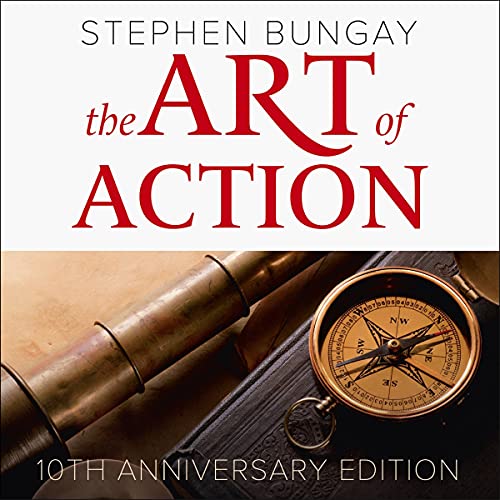
Stephen Bungay’s “The Art of Action: How Leaders Close the Gaps between Plans, Actions and Results” addresses this familiar problem. It asks how people can act coherently when their knowledge is incomplete, and circumstances keep changing.
The Limits of the Plan
When I became First Deputy CEO of the Romanian Bank for Foreign Trade in January 1990, I was thirty-nine. After years of professional restrictions, I finally had an opportunity to put what I had learned into practice. But the country, the economy, and the institution were entering unfamiliar territory together.
Looking back, that experience makes the limits of planning particularly clear to me. Preparation mattered enormously. Even so, no amount of preparation could have supplied a complete set of instructions for what lay ahead.
Bungay gives a useful explanation of why this is a normal condition of leadership. He identifies three gaps.
The knowledge gap separates what we would need to know to plan perfectly from what we actually know.
The alignment gap separates what leaders intend from what people understand and do.
The effects gap separates the results we expect from our actions from the results those actions produce.
Our instinctive responses are more analysis, more instructions, and more control. Bungay argues that these responses can deepen the difficulties they are supposed to resolve.
This is uncomfortable for senior executives. Asking for another report can feel responsible. Sometimes it is. Sometimes it merely postpones a judgment we already have enough information to make.
Make the Purpose Clear
Bungay draws on the development of mission command in the nineteenth-century Prussian Army. Its relevance lies in how it combined a shared direction with considerable freedom for those facing the situation on the ground. He brings that approach into business through leading by intent.
Bungay’s instruction, “Keep it simple,” is demanding advice for anyone accustomed to explaining strategy through elaborate presentations. Leaders must explain the outcome they seek and its purpose, set boundaries, and let people work out how to proceed.
Consider a bank trying to improve service. A demand to become more customer-focused leaves almost everything unresolved. A clearer instruction might be to shorten the time customers wait for a lending decision while maintaining agreed credit standards.
That gives people a problem they can work on. They can examine unnecessary handovers, repeated requests for information, or unclear responsibilities. They also know which constraint they must respect.
Bungay’s term “main effort” gives this discipline a practical focus: identify the endeavor whose success matters most, and prioritize it when allocating resources. Clarity requires the leader to make choices. Asking people to improve everything at once is an unresolved leadership problem.
Ask People to Explain their Understanding
This allows the leader to backbrief. After explaining the intent, the leader asks the team to describe what they understand and what they propose to do. This also allows the leader to reconsider the original direction.
In practice, I would want to hear how people answer a few plain questions. What outcome are you working towards? What will you give priority to? Which decisions can you take yourself? Where will you need another team’s help?
The answers reveal much more than a roomful of nodding heads.
They may expose a misunderstanding. They may also reveal something the leader has overlooked: an impossible deadline, a competing incentive, or a dependency on someone who has received different instructions.
For a chairman, this discipline is useful. A board can agree on a direction without adequately understanding what that direction requires of the organization. Asking management to explain the consequences makes the conversation more demanding and more worthwhile.
Give Judgment Room to Develop
Bungay writes: “Understanding gets compliance. Only belief gets commitment.”
I find this persuasive, though belief alone is insufficient. Bungay’s striking phrase “independent thinking obedience” captures the judgment required: people remain committed to the shared purpose while adapting their actions as circumstances change. They need competence, resources, and confidence that reasonable initiative will be heard fairly.
Bungay’s wider account of the approach recognizes these conditions. Decision authority must fit people’s capabilities, and the organization’s structure and incentives must support the intended results.
A leader who invites initiative and then reverses every unfamiliar decision teaches a powerful lesson. Soon, people will wait. The leader may then complain that nobody takes responsibility.
That dependence can be surprisingly comfortable. Being consulted about everything makes us feel necessary. Yet it also limits the organization to the attention and judgment of a handful of people.
This is the personal challenge I take from the book. Can I accept a sound decision that differs from the decision I would have made?
Keep Learning From What Happens
Plans deserve serious thought. They also need revision when experience exposes their weaknesses.
For me, the practical value of “The Art of Action” lies in bringing that recognition into everyday leadership. Explain the purpose. Resolve competing priorities. Check understanding. Give capable people authority, and discuss what their actions are actually achieving.
This takes patience. It requires us to spend time developing judgment in others and to examine our own contribution when execution disappoints.
The next time an organization seems unable to act, it may be worth looking first at what happens when someone tries.
If you’re interested in exploring this book further, you can find it available here on Amazon.
As an Amazon Associate, I earn commissions from qualifying purchases linked in this post without additional costs to readers – thank you for supporting the endeavors behind ‘The Chairman’s Playbook’!
Leave a Reply