
(Why Finding Your Vocation Is the First Element of Success)
“Find out what you most like to do and find someone to pay you for doing it.”— Katharine Whitehorn
In every life, there are two defining quests:
To find someone to walk through life with, and to find a calling that makes life worth walking through.
Navigating these two challenges greatly influences our fulfillment and sense of purpose. Both are filled with false starts, unmet expectations, misguided excitement, and fierce competition. But while finding a life partner often depends on others, finding your vocation is almost entirely up to you.
The Question That Follows Us From Childhood
As soon as we begin to speak, adults ask us:
“What do you want to be when you grow up?”
When we are young, our answers are often whimsical, shaped by what we’ve recently seen or heard. In adolescence, our vision becomes foggier, not clearer. And the pressure rises when we finally finish school, but the clarity doesn’t.
We’re told we must “enter the workforce,” but many still don’t know where we’re headed. Often, we can say more confidently what we don’t want in a job than what we do.
Neither school nor parents truly prepare us for this decision and, in many cases, our parents’ careers don’t serve as inspiring examples. Yet, we’ll spend over a third of our lives working, more time than we’ll spend with family – so it’s no surprise that the old question still haunts us.
Sometimes, even when we’re already grown.
My Search for Vocation
I don’t remember what I wanted to be as a child.
But I do remember experimenting in high school:
- I acted in school plays
- I started an astronomy club with two friends
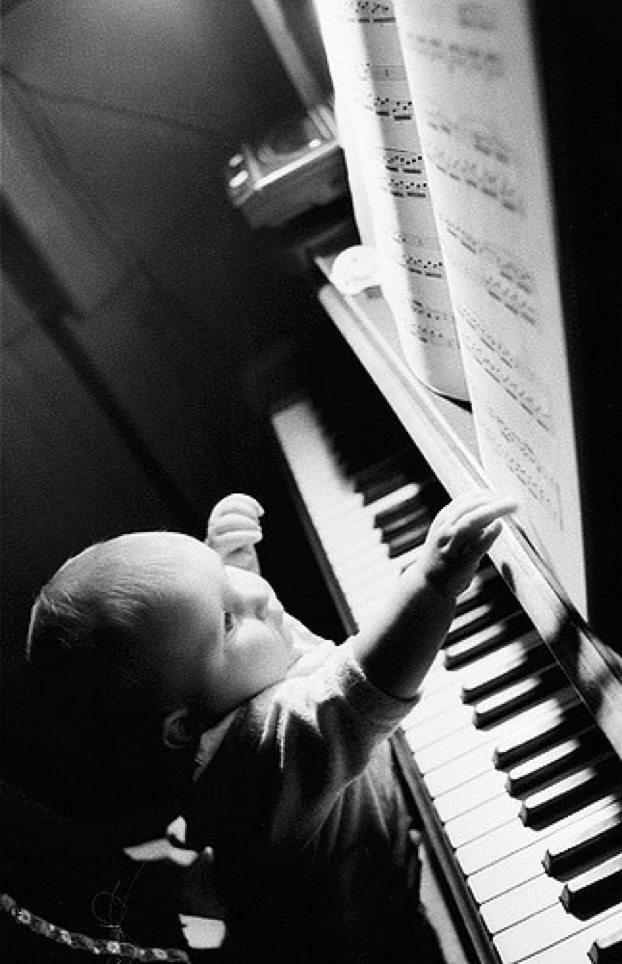
- I played the piano
My mother thought I was talented and wanted me to become a pianist.
When I showed little interest, she reluctantly shifted to Plan B: engineering.
I was good at math and had competed in Olympiads, and in the 1960s–70s, engineering was seen as a solid path. But it wasn’t my passion.
During summer jobs as a tour guide, I discovered a love for meeting people from different cultures, and I believed I had a knack for persuading them to follow me. That insight sparked a desire to become a diplomat.
There was no diplomacy school in Romania at the time, but the closest match seemed to be the Faculty of Foreign Trade. I took the entrance exam and, in 1969, I was admitted.
Why So Many Don’t Know What They Want
Most of us don’t discover our calling in our teens or even our twenties.
The few who do, often have exceptional talent in a narrow field: music, art, or sport. A handful find their passion through academic excellence, usually guided by extraordinary teachers.
But, for the rest of us, the “ordinary majority”, discovering our vocation comes later.
And some, unfortunately, never do.
What we want (though we rarely say it this way) is a job that doesn’t feel like a job.
We want to do something that uses our strengths, stirs our interest, and gives us a sense of meaning. In other words:
We don’t want just a career — we want a vocation.
The Four Elements of Vocation
Our vocation is a unique combination of four things:
1. Inborn Gifts
These are the natural talents and aptitudes we were born with. They come from our genetic inheritance and give us an edge in certain areas. They are part of what makes us who we are.
2. Developed Skills
These abilities are acquired through education, training, and practice, built upon our natural talents and refined through effort.
3. Life Experiences
Everything we’ve lived through adds layers to who we are. Each stage builds on the last. Our abilities evolve as we learn from success, failure, risk, and growth.
4. Passions and Interests
These are the themes, causes, topics, or types of work that excite us, whether they’ve always existed or developed over time.
When These Four Align, the Future Opens Up
This unique combination of strengths is often more visible to others than to ourselves.
People reflect our talents to us, especially when we see how often they turn to us for certain things, or how easily we step into specific roles.
The future begins to unfold when our gifts, skills, experiences, and passions meet the right opportunity and the door to a new horizon opens.
Questions for Reflection
As always, I will leave you with a few questions:
- What do you love to do, whether you’re paid for it or not?
- What would it be if you could do one thing for the rest of your life (unpaid)?
- What do people most often ask you for help with?
✦ Take your reflection deeper with 10 practical questions you can work through on your own or with your team.
📄 Download The Chairman’s Playbook Worksheet — Play 02: Vocation
Coming Up Next
Is success built on following your passion, or on building skills first? In the next post, I will explore both sides of the passion vs. skill debate, with lessons for leaders seeking purpose and growth.
Until then, keep paying attention to what feels like work … and what doesn’t.
📚 Further Reading:
- Angela Duckworth – Grit: The Power of Passion and Perseverance
Explores the role of resilience and long-term commitment in achieving success. - Ryan Holiday – The Obstacle Is the Way
A modern take on Stoic philosophy, showing how challenges can be turned into advantages. - Clayton M. Christensen – How Will You Measure Your Life?
A reflective guide on balancing achievement with meaning and values. - Bill Burnett & Dave Evans – Designing Your Life
Offers practical frameworks and exercises for experimenting toward meaningful work. - Simon Sinek – Start With Why
On the power of purpose and clarity as drivers of true success.
Disclosure: As an Amazon Associate, I earn from qualifying purchases. This means that if you click on a link in this post and make a purchase, I may receive a small commission — at no extra cost to you. Your support helps keep The Chairman’s Playbook going, and I’m grateful for it.
Leave a Reply